
Color speaks a universal language, yet its meanings shift dramatically across borders, cultures, and contexts. Understanding these nuances can transform communication and prevent costly mistakes.

🎨 Why Color Matters More Than You Think
Every day, we make split-second decisions based on color. From the clothes we wear to the brands we trust, color influences our emotions, behaviors, and cultural perceptions in profound ways. What many people don’t realize is that a color considered lucky and prosperous in one culture might represent mourning or danger in another.
The psychology of color has been studied extensively by marketers, designers, and anthropologists alike. Research shows that color can increase brand recognition by up to 80%, and it accounts for 85% of the reason consumers choose to buy a particular product. But these statistics only tell part of the story—the cultural dimension adds layers of complexity that global businesses and creative professionals must navigate carefully.
Consider this: a Western company launching a product in an Asian market without understanding color symbolism might inadvertently offend potential customers or send entirely unintended messages. The consequences can range from lost sales opportunities to full-blown public relations disasters.
Red: The Color of Extremes
Red stands as one of the most powerful and contradictory colors across global cultures. Its symbolism varies so dramatically that it serves as a perfect example of why cultural awareness matters in color selection.
Eastern Celebrations and Western Warnings
In Chinese culture, red symbolizes prosperity, good fortune, and happiness. It dominates weddings, New Year celebrations, and important business events. Red envelopes filled with money are given during celebrations, and brides traditionally wear red wedding dresses. The color is so auspicious that many Chinese businesses incorporate it into their branding and store designs.
Conversely, in Western contexts, red often signals danger, warning, or prohibition. Stop signs, emergency alerts, and error messages all employ red to grab attention and indicate caution. In financial contexts, “being in the red” means operating at a loss—hardly the prosperity it represents in Eastern cultures.
South Africa presents yet another dimension: red is associated with mourning and death. This stark difference demonstrates how a single color can carry completely opposite meanings depending on geographical and cultural context.
White: Purity or Mourning? 🕊️
The symbolism of white provides another fascinating study in cultural contrasts. In Western societies, white represents purity, innocence, and new beginnings. White wedding dresses have become standard in Europe and North America, symbolizing the bride’s fresh start and virtue.
However, white carries very different connotations in many Asian cultures, particularly in China, Korea, Japan, and India. Here, white is the traditional color of mourning and funerals. Wearing white to a celebration could be seen as bringing bad luck or showing disrespect. This creates obvious challenges for Western brands marketing white products or using white-dominant designs in Asian markets.
The healthcare industry provides an interesting middle ground: white symbolizes cleanliness and sterility across most cultures, making it universally appropriate for medical contexts. This demonstrates that some color associations transcend cultural boundaries when tied to practical functions.
Black: Sophistication Meets Superstition
Black occupies a complex position in the global color hierarchy. In Western fashion and design, black exudes sophistication, elegance, and timeless style. High-end brands frequently use black in their packaging and marketing materials to convey luxury and exclusivity.
Yet black also carries negative associations worldwide: darkness, death, evil, and the unknown. In many Western cultures, black is the standard color for mourning attire and funeral services. This dual nature makes black a color that requires careful consideration in context.
In some Middle Eastern and African cultures, black can represent both fertility and strength, adding positive dimensions to its meaning. The key takeaway is that black’s interpretation depends heavily on its application and the cultural lens through which it’s viewed.
💚 Green: Not Always a Universal Go Signal
While green typically represents nature, growth, and environmental consciousness globally, its cultural symbolism contains important variations that can trip up the uninformed.
Religious and Regional Considerations
In Islamic cultures, green holds sacred significance as the color of paradise and the Prophet Muhammad. It’s viewed extremely positively and often incorporated into flags, religious spaces, and cultural designs throughout the Middle East and North Africa.
However, in Indonesia, green is traditionally avoided for packaging and branding because it’s associated with forbidden or dangerous things in certain contexts. In China, a “green hat” is an idiom referring to infidelity, making green headwear culturally problematic.
Western cultures generally embrace green for environmental initiatives, health products, and financial success (“greenback” dollars). But even here, green can signal jealousy (“green with envy”) or inexperience (“greenhorn”), demonstrating that even within a single cultural context, colors carry multiple meanings.
Blue: The Most Universally Accepted Color?
Blue stands out as one of the few colors with predominantly positive associations across most cultures. Research consistently shows blue as the world’s favorite color, making it a relatively safe choice for global brands.
Blue typically represents trust, stability, calmness, and professionalism. This explains why so many financial institutions, technology companies, and healthcare organizations incorporate blue into their branding. Facebook, IBM, PayPal, and countless banks rely on blue to establish credibility and trustworthiness.
However, even blue isn’t entirely universal. In some contexts, blue can represent sadness (“feeling blue”) or coldness. In Iran, blue traditionally symbolizes mourning. In Ukraine, blue combined with yellow represents national identity. The lesson? Even the “safest” color requires contextual awareness.
🌟 Yellow and Gold: Sunshine or Caution?
Yellow and gold present an interesting spectrum of meanings that vary significantly across cultures. In many Asian cultures, particularly China and India, yellow and gold represent royalty, wisdom, and prosperity. Gold especially carries connotations of wealth and divine blessing.
Western cultures often associate yellow with happiness, optimism, and energy—think sunshine and smiley faces. However, yellow also signals caution (traffic lights, warning signs) and can represent cowardice in certain contexts.
In Latin America, yellow can have negative associations related to death and mourning. In Egypt, yellow was historically the color of mourning. In Germany, yellow can represent jealousy. These variations make yellow a color that requires particularly careful consideration in international contexts.
Purple: The Color of Royalty and Religion
Purple has maintained its association with royalty, luxury, and spirituality across many cultures, largely due to historical factors. For centuries, purple dye was expensive and rare, making it accessible only to the wealthy and powerful.
In Western cultures, purple blends the stability of blue with the energy of red, often representing creativity, wisdom, and dignity. Many luxury brands incorporate purple into their color schemes to convey premium positioning.
In Thailand, purple is associated with mourning, specifically worn by widows. In Brazil, purple can represent death and mourning. In Catholicism, purple signifies piety and faith, worn during Advent and Lent. These religious and cultural connections make purple a color with deep significance that varies by context.
🎯 Practical Strategies for Navigating Color Choices
Understanding cultural color symbolism is one thing; applying this knowledge effectively is another. Here are actionable strategies for making informed color decisions in multicultural contexts.
Research Your Target Audience Thoroughly
Before finalizing any design, branding, or marketing materials, invest time in understanding your audience’s cultural background. This goes beyond country-level research—regional, religious, and demographic factors all influence color perception.
Conduct focus groups with members of your target culture. Ask about color associations and preferences. What might seem like a minor detail to you could carry significant meaning to your audience.
Consider Context Over Absolutes
Remember that context matters as much as culture. A color inappropriate for one application might work perfectly in another. Red might be problematic for a funeral home’s branding but perfect for a restaurant specializing in festive celebrations.
Think about the emotional response you want to evoke and the message you’re trying to communicate. Match your color choices to these goals while remaining aware of cultural sensitivities.
Test Before Launching Globally
Major corporations regularly test their color schemes in different markets before rolling out global campaigns. What works in New York might fall flat—or worse, offend—in Tokyo, Mumbai, or São Paulo.
A/B testing different color schemes with demographically appropriate audiences can provide invaluable insights. Digital marketing makes this testing easier and more cost-effective than ever before.
🌍 Real-World Color Pitfalls and Success Stories
Learning from others’ mistakes and successes provides practical wisdom that complements theoretical knowledge about color symbolism.
Notable Missteps
Pepsi lost market share in Southeast Asia partly because their early blue packaging was associated with death and mourning in certain regional contexts. They eventually adjusted their marketing approach to address these cultural concerns.
United Airlines faced criticism when they painted aircraft purple and blue for flights to Brazil, where purple can symbolize death. While the airline claimed the choice was coincidental, it demonstrated a lack of cultural awareness.
A European company marketing baby products in Africa initially failed because they used the same packaging as in Europe: images of babies on white backgrounds. In several African markets, putting pictures of people on products suggested the product contained those people, creating obvious problems.
Strategic Successes
McDonald’s changed its primary branding color from red to green in Europe to emphasize environmental friendliness and healthier options, demonstrating adaptability to shifting cultural values.
Coca-Cola successfully maintains red as its signature color globally while adapting marketing messages and secondary colors to respect local cultures and occasions. During Chinese New Year, they emphasize red’s auspicious meanings with culturally appropriate imagery.
IKEA conducts extensive color research for different markets, sometimes offering different color options or product lines based on regional preferences and cultural associations.
The Future of Color in Global Communication 🚀
As our world becomes increasingly connected, understanding color symbolism grows more important, not less. Digital communication, international commerce, and multicultural collaboration all require cultural color competence.
Younger generations often blend cultural influences, creating new color associations and meanings. Social media platforms enable rapid spread of color trends across borders, sometimes transcending traditional cultural boundaries.
However, deep-rooted cultural associations remain powerful. Smart communicators respect traditional symbolism while remaining aware of evolving meanings. They recognize that color choices are never purely aesthetic—they’re cultural statements that carry meaning and consequence.
Building Your Color Intelligence
Developing cultural color awareness is an ongoing process, not a one-time learning experience. Here’s how to build and maintain your color intelligence over time.
Start by creating a color reference guide for markets you work with regularly. Document cultural associations, taboos, and preferences. Update this guide as you learn more and as cultural attitudes evolve.
Follow international design trends and marketing campaigns. Notice how global brands adapt color strategies for different markets. Analyze what works and what doesn’t, and consider why.
Engage with diverse perspectives regularly. If you work with multicultural teams, have conversations about color perceptions and preferences. These discussions can reveal insights you’d never discover through research alone.
Stay humble and curious. No one can master every cultural nuance of color symbolism. What matters is approaching color decisions with awareness, respect, and willingness to learn and adapt.
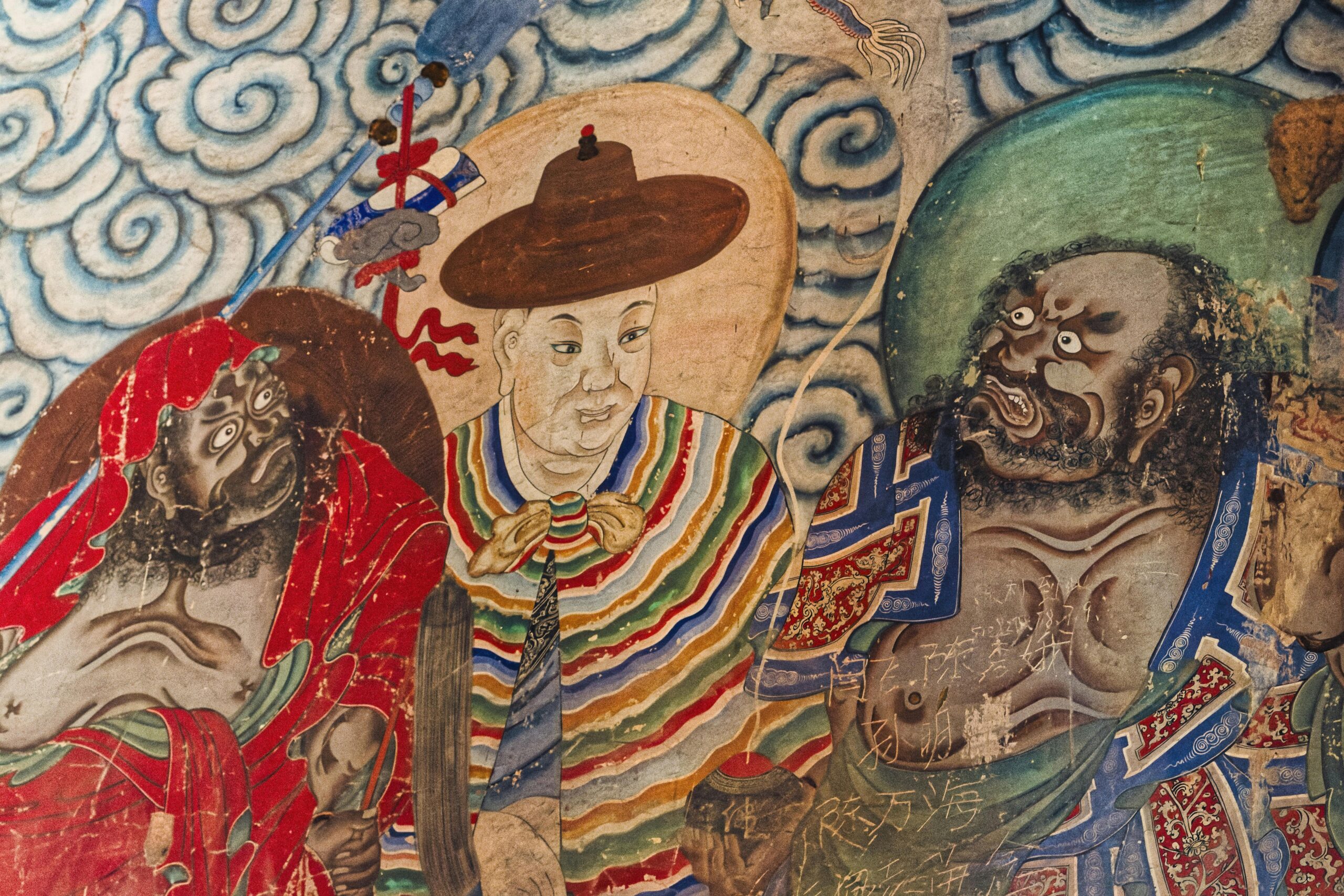
🎨 Wrapping Up: Color as Cultural Bridge
Color possesses tremendous power to communicate, persuade, and connect—or to confuse, offend, and alienate. The difference often lies in cultural awareness and thoughtful application.
By understanding how different cultures interpret colors, you equip yourself to make informed design and communication decisions. You avoid embarrassing mistakes and create work that resonates authentically with diverse audiences.
Remember that cultural color symbolism isn’t about rigid rules but about understanding context, showing respect, and communicating intentionally. A color that’s problematic in one application might be perfect in another. The key is awareness, research, and sensitivity to your audience’s cultural perspective.
As you move forward in your creative work, business ventures, or cross-cultural communication, let color serve as a bridge rather than a barrier. Use your growing color intelligence to create designs, messages, and experiences that honor cultural diversity while achieving your communication goals.
The world is beautifully diverse, and so are the meanings we assign to the colors that surround us. Embrace this complexity, learn continuously, and let cultural color awareness enhance everything you create and share with the world.