Throughout human history, ritual objects have served as powerful bridges between the physical and spiritual realms, carrying profound meanings that continue to resonate today.

From ancient temples to modern meditation spaces, these sacred tools have guided humanity through transformative experiences, marking important life transitions and connecting us to something greater than ourselves. Whether you’re drawn to spiritual practices, cultural anthropology, or simply curious about the symbols that shape our world, understanding ritual objects opens doors to deeper self-awareness and connection.
The fascination with ritual objects transcends religious boundaries and cultural divides. These items—ranging from simple stones and candles to elaborate ceremonial instruments—embody intentions, beliefs, and ancestral wisdom passed down through generations. In our increasingly digital age, many people are rediscovering the grounding power of physical objects that anchor spiritual practice and provide tangible connections to tradition.
🔮 What Makes an Object Ritually Significant?
The transformation of an ordinary item into a ritual object happens through intention, consecration, and repeated meaningful use. A simple bowl becomes a sacred vessel when dedicated to specific purposes and treated with reverence. This process imbues physical items with symbolic weight that extends far beyond their material composition.
Ritual objects derive their power from multiple sources. Cultural consensus plays a significant role—when entire communities agree on an object’s sacred nature, that collective belief amplifies its significance. Personal investment matters equally; an item that witnessed your spiritual breakthrough carries unique power in your individual practice.
The materiality itself contributes to ritual significance. Certain materials like crystals, metals, wood, and clay have been favored across cultures due to their durability, beauty, or perceived energetic properties. The sensory experience of touching smooth stone, hearing the ring of a bell, or smelling sacred incense creates neural pathways that reinforce spiritual states.
The Psychology Behind Symbolic Objects
Modern psychology recognizes that ritual objects serve important cognitive and emotional functions. They act as external anchors for internal states, helping practitioners transition from ordinary consciousness into focused spiritual awareness. This psychological mechanism explains why religious and spiritual traditions universally incorporate physical tools into their practices.
Research in embodied cognition demonstrates that physical objects influence our thinking patterns and emotional experiences. When you hold a ritual object associated with peace, your nervous system begins shifting toward calm states before conscious ritual work even begins. This priming effect makes ritual objects powerful allies in personal transformation.
⚡ Universal Symbols Across Cultures
Despite humanity’s incredible diversity, certain symbols and ritual objects appear across seemingly unconnected cultures. These universal patterns suggest deep psychological needs that transcend geography and historical period. Understanding these common threads helps us appreciate both our shared humanity and the unique expressions of individual traditions.
Light sources represent one of the most widespread ritual categories. Candles, oil lamps, and sacred fires appear in Jewish menorahs, Christian altars, Hindu pujas, Buddhist temples, and countless other traditions. Fire symbolizes divine presence, transformation, illumination of darkness, and the eternal spark within all beings.
Water vessels serve purification and blessing functions worldwide. From baptismal fonts to Islamic wudu stations, from Hindu ritual bathing in the Ganges to Celtic holy wells, water represents spiritual cleansing, renewal, and the source of life itself. The sensory act of ritual washing provides both symbolic meaning and physiological stress relief.
Sacred Geometry in Ritual Design
Geometric patterns infuse ritual objects with mathematical harmony that humans find inherently meaningful. Circles represent wholeness, cycles, and eternity—appearing in prayer beads, mandalas, ceremonial drums, and medicine wheels. The unbroken line symbolizes continuity and the interconnection of all things.
Triangles evoke stability, divine trinities, and the meeting of heaven and earth. Squares ground energy and represent the four directions, elements, or seasons. These shapes aren’t arbitrary aesthetic choices but encode fundamental principles about existence that our brains recognize on intuitive levels.
Sacred geometry creates visual rhythms that facilitate meditation and contemplation. The spiral pattern found in shells, labyrinth walks, and ceremonial art reflects natural growth patterns and the journey toward center. When ritual objects incorporate these patterns, they become visual prayers that communicate beyond words.
🕯️ Common Ritual Objects and Their Meanings
Understanding specific ritual objects enriches both personal practice and cultural appreciation. Each tradition assigns particular significance to its sacred tools, yet recognizing the underlying themes reveals fascinating connections across belief systems.
Incense and Smudge Tools
Aromatic smoke carries prayers upward in numerous traditions. Native American sage smudging, Catholic thuribles swinging frankincense, Japanese Buddhist incense offerings, and Hindu agarbatti all transform intention into visible, sensory experience. The rising smoke represents thoughts ascending to higher realms while purifying physical space.
Different plant materials carry specific associations. Sage cleanses negative energy, sweetgrass invites positive spirits, cedar provides protection, and palo santo promotes healing. These aren’t mere superstitions—aromatic compounds actually affect brain chemistry, creating physiological changes that support spiritual states.
Bells and Sound Instruments
Sound-producing ritual objects harness vibration’s power to shift consciousness and mark sacred moments. Tibetan singing bowls, church bells, shamanic rattles, and meditation chimes all use acoustic frequencies to create boundary between ordinary time and ritual space.
The physics of sound provides insight into these objects’ effectiveness. Certain frequencies entrain brainwaves, encouraging alpha or theta states associated with meditation. The clear tone of a bell cuts through mental chatter, bringing attention to the present moment. Rhythmic rattling can induce trance states that facilitate healing and vision.
Prayer Beads and Counting Tools
Tactile repetition aids concentration across traditions. Catholic rosaries, Buddhist malas, Islamic tasbih, and Hindu japa malas all provide physical structure for mantra practice. The kinesthetic loop of fingers moving from bead to bead anchors wandering minds while counting tracks progress.
The standard 108 beads in Eastern traditions reflect sacred numerology—108 being significant in Vedic mathematics and astronomy. Catholic rosaries’ structure guides practitioners through specific prayer sequences while providing tangible evidence of devotional effort. The physical object transforms abstract prayer into embodied practice.
Altar Cloths and Sacred Fabrics
Textiles define sacred space and demonstrate respect through beauty. From Jewish tallitot to Buddhist prayer flags, from altar linens to ceremonial garments, fabric carries symbolic meaning through color, pattern, and material. The act of spreading a special cloth transforms ordinary furniture into ritual focal points.
Colors convey specific energies: white for purity, red for vitality, black for protection, gold for divine connection. Embroidered symbols add layers of meaning—lotuses for enlightenment, crosses for sacrifice and redemption, stars for divine guidance. Quality materials indicate the importance placed on spiritual practice.
🌟 Creating Your Personal Ritual Practice
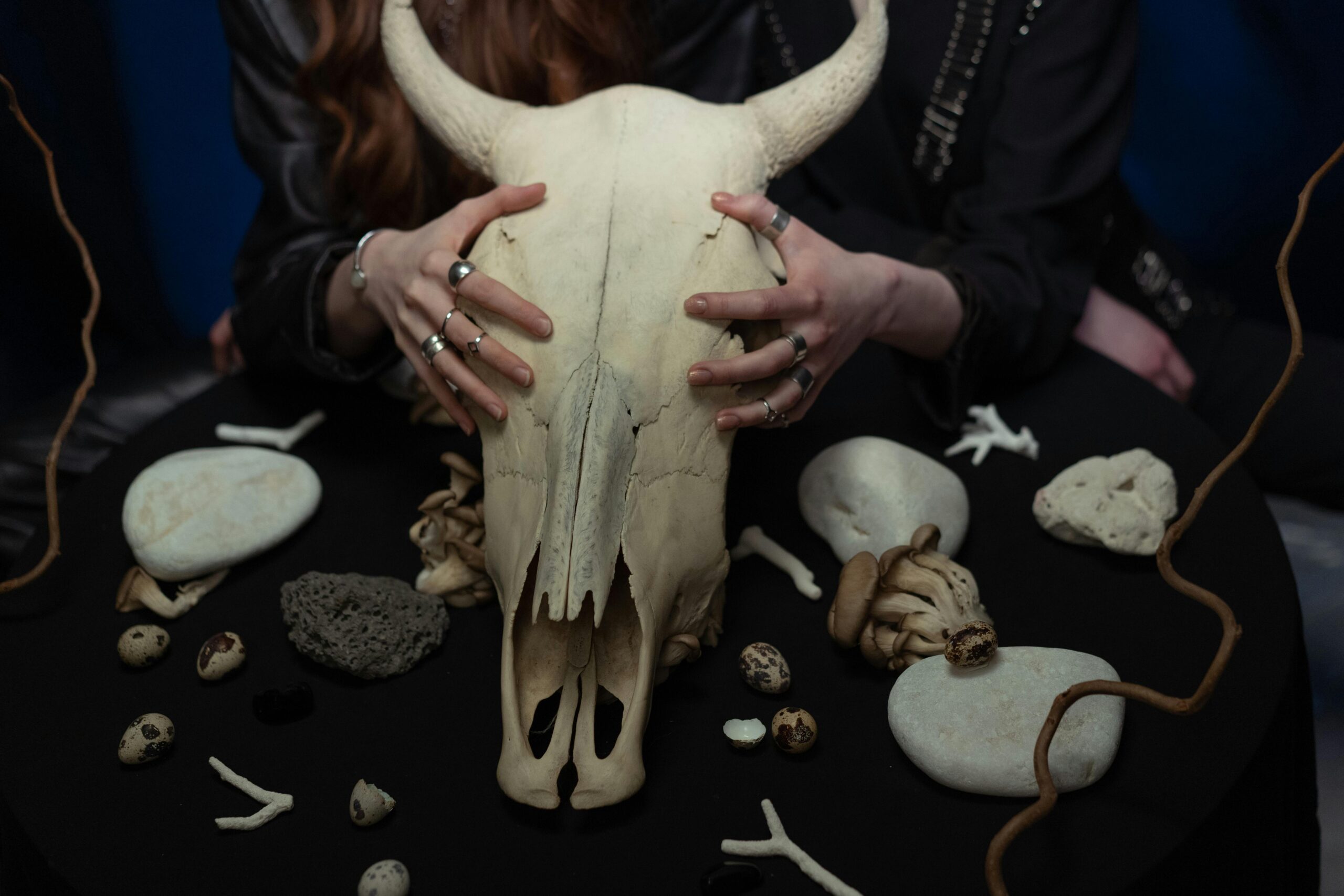
You don’t need elaborate ceremonial tools or expensive mystical objects to develop meaningful ritual practice. Authenticity matters more than cost. A stone from a meaningful place holds more power than a commercially-purchased crystal if your intention and connection make it sacred.
Begin by clarifying your intentions. What do you seek from ritual practice? Connection with nature? Stress relief? Spiritual growth? Creative inspiration? Your goals guide which objects will serve you best. A journal becomes a ritual object when dedicated to shadow work or gratitude practice.
Selecting Objects That Resonate
Trust your intuition when choosing ritual objects. Physical attraction often indicates energetic compatibility. Notice which items draw your eye, which textures you want to touch, which scents calm your nervous system. These preferences aren’t random—they reflect your unique energetic signature and needs.
Consider natural found objects like feathers, shells, stones, or driftwood. These carry Earth’s energy and connect you to natural cycles. Items inherited from ancestors or received as gifts bring relationship energy into your practice. Handmade objects hold the creator’s intention alongside your own.
Consecrating Your Ritual Tools
Consecration transforms ordinary items into ritual objects through intentional dedication. This process can be simple or elaborate depending on your tradition and preference. The essential elements include cleansing, charging with intention, and first use in sacred context.
Cleansing methods include passing through incense smoke, washing with salt water, leaving under moonlight or sunlight, or using sound vibration. These methods remove previous energies and prepare objects to hold your intention. Speak or think your purpose for the object clearly during this process.
Store ritual objects with respect when not in use. A dedicated box, shelf, or altar space maintains their sacred designation and protects them from casual handling. This boundary between ritual and mundane reinforces the psychological shift these objects facilitate.
📿 Ritual Objects in Daily Life
Sacred tools need not remain confined to elaborate ceremonies. Integrating ritual objects into daily routines builds consistent spiritual connection and transforms ordinary activities into opportunities for mindfulness and intention.
Morning coffee becomes a ritual when served in a special cup used only for contemplative moments. The act of selecting and filling this vessel signals transition from sleep to awakening consciousness. Pausing to appreciate warmth, aroma, and flavor transforms consumption into meditation.
Personal Adornment as Ritual Practice
Jewelry and clothing serve as portable ritual objects when chosen intentionally. A meaningful necklace reminds you of core values throughout your day. Specific colors or styles can mark different energy intentions—power dressing for important meetings or soft fabrics for rest days.
Traditional cultures understood adornment’s spiritual dimension. African waist beads, Native American turquoise, Celtic knotwork, and Tibetan protection cords all combine beauty with blessing. Modern practitioners continue this tradition with intention-set bracelets, symbolic tattoos, or meaningful accessories.
Threshold Rituals and Transition Objects
Objects placed at boundaries help mark transitions between different states or spaces. A small bowl for keys by the entrance creates a mindful pause between public and private life. A special stone touched before important conversations invokes courage or compassion.
Bedside ritual objects facilitate sleep transitions. A dream journal, lavender sachet, or meaningful image creates a sleep sanctuary that signals safety to your nervous system. These simple tools accumulate power through repetition, their presence alone triggering beneficial mental states.
💎 Respecting Cultural Origins and Appropriation Concerns
As interest in ritual objects grows, cultural sensitivity becomes increasingly important. The line between appreciation and appropriation requires thoughtful navigation. Sacred objects from closed traditions shouldn’t be used casually by outsiders, regardless of good intentions.
Some ritual objects carry specific cultural weight that makes their use by non-members inappropriate. Native American ceremonial pipes, Jewish religious items, and Indigenous medicine objects often fall into this category. Using them without proper context, training, or community permission disrespects their sacred origins.
Respectful engagement involves learning about origins, supporting authentic artisans from source communities, and avoiding superficial adoption of sacred symbols. If drawn to a particular tradition’s practices, seek legitimate teachers and proper instruction rather than cobbling together self-taught versions.
Building Authentic Personal Practice
Creating personally meaningful ritual practice doesn’t require borrowing from cultures not your own. Explore your own ancestral traditions for forgotten wisdom. Develop original symbolic systems that reflect your unique experience and understanding. Nature provides universal ritual objects available to all traditions.
Eclecticism becomes appropriate when approached with education and respect. Synthesizing elements from traditions you’ve studied deeply differs from superficial cultural tourism. The key lies in honoring sources, understanding context, and maintaining integrity in practice rather than creating spiritual entertainment.
🌙 The Future of Ritual Objects in Modern Life
Despite technological advancement and secular trends, ritual objects maintain relevance for contemporary seekers. Perhaps their physical tangibility becomes more important as daily life grows increasingly virtual. Holding a meaningful object grounds us in bodies and present moments that screen time fragments.
Young generations rediscover ritual practices as antidotes to digital overwhelm. Crystal collections, tarot decks, and altar-building trend on social media not from superficiality but from genuine hunger for meaning, connection, and practices that engage the whole self rather than just the scrolling thumb.
Modern ritual objects sometimes merge tradition with innovation. Apps that track moon phases, meditation timers shaped like ancient symbols, or LED candles for fire-unsafe spaces adapt timeless practices to contemporary constraints. The underlying human need for symbol and ceremony persists regardless of cultural context.
✨ Discovering Your Symbolic Language
Ultimately, ritual objects serve as vocabulary in a personal symbolic language you develop throughout life. This language speaks to parts of yourself beyond rational thought—the intuitive, creative, spiritual dimensions that resist verbal expression but respond powerfully to symbol, sensation, and ceremony.
Your collection of meaningful objects tells your story without words. Each item represents experiences, aspirations, connections, and transformations. Arranged thoughtfully, they create visual reminders of what matters most, who you’re becoming, and the invisible forces you acknowledge.
The power of ritual objects lies not in the objects themselves but in consciousness they evoke and intentions they embody. A plain stone becomes extraordinary through the meaning you assign it. This truth empowers anyone to create rich spiritual practice regardless of resources, tradition, or background.
Begin where you are with what you have. Notice which objects already carry meaning in your life. Treat them with increased awareness and intention. Observe how this shift affects your relationship to daily existence. The symbols have always been there—you’re simply learning to read them more consciously, unlocking their transformative power one mindful interaction at a time.