
Every thriving community relies on individuals who step forward to bridge gaps, foster connections, and strengthen collective resilience during challenging times.

Community champions are the unsung heroes who transform neighborhoods, organizations, and social groups into robust networks capable of weathering adversity. These individuals don’t always hold official titles or positions, yet their contributions create ripples of positive change that extend far beyond their immediate circles. Understanding the essential roles these champions play helps us recognize their value and inspires others to join this vital work of building resilient communities.
Resilience isn’t simply about bouncing back from difficulties—it’s about developing the capacity to adapt, grow, and thrive despite ongoing challenges. When community champions actively engage in strengthening social fabric, they create protective factors that benefit everyone, from the most vulnerable to the most established members.
🤝 The Connector: Weaving Networks of Support
The Connector serves as the social glue that binds community members together. These champions possess an innate ability to identify people with complementary needs and resources, facilitating introductions that spark collaboration and mutual support. They maintain extensive networks across diverse demographics, breaking down silos that often fragment communities.
Connectors understand that isolated individuals represent untapped potential for collective strength. By fostering relationships between neighbors who might never otherwise meet, they create pathways for resource sharing, emotional support, and collaborative problem-solving. During crises, these established networks prove invaluable, enabling rapid mobilization and efficient distribution of assistance.
Research consistently demonstrates that communities with strong social networks experience better health outcomes, lower crime rates, and faster recovery from disasters. The Connector’s work directly contributes to these positive outcomes by ensuring that knowledge, resources, and support flow freely throughout the community ecosystem.
Building Bridges Across Divides
Effective Connectors actively work to bridge divides based on age, ethnicity, socioeconomic status, or other factors that might separate community members. They organize inclusive events, facilitate intergenerational programs, and create spaces where diverse voices can be heard and valued. This intentional bridge-building strengthens community cohesion and creates a more equitable distribution of social capital.
📢 The Communicator: Amplifying Voices and Information
In an era of information overload and digital noise, the Communicator champions clarity, accuracy, and accessibility. These individuals ensure that vital information reaches all community members, regardless of their technological literacy, language preferences, or mobility constraints. They translate complex policies into understandable terms and amplify marginalized voices that might otherwise go unheard.
Communicators recognize that effective information sharing requires multiple channels and formats. They might maintain community bulletin boards, manage social media groups, produce newsletters, organize town halls, or simply engage in strategic word-of-mouth communication. Their adaptability ensures that no one is left uninformed or excluded from important conversations.
During emergencies, the Communicator becomes absolutely critical. Their established channels and trusted voice enable rapid dissemination of safety information, resource availability, and coordination instructions. Communities with effective Communicators experience less confusion, reduced panic, and more organized responses to crises.
Combating Misinformation
The Communicator also serves as a filter against misinformation, which can undermine community resilience by eroding trust and promoting harmful behaviors. By establishing themselves as reliable sources and promoting media literacy, these champions help communities make informed decisions based on accurate information rather than rumors or deliberate deception.
🌱 The Organizer: Transforming Ideas into Action
The Organizer possesses the practical skills to transform community aspirations into concrete initiatives. These champions excel at project management, volunteer coordination, and logistics—the often unglamorous work that makes community programs succeed. They understand how to set achievable goals, mobilize resources, and maintain momentum even when initial enthusiasm wanes.
Organizers create structures that enable collective action without requiring heroic individual effort. They develop systems for task delegation, establish sustainable volunteer rotations, and build institutional memory that persists beyond any single person’s involvement. This organizational infrastructure represents a critical component of long-term community resilience.
Successful Organizers balance ambition with realism, celebrating small victories while working toward larger goals. They understand that sustainable change requires patience, persistence, and the ability to learn from setbacks. Their pragmatic approach prevents burnout among volunteers and maintains steady progress on community priorities.
❤️ The Caregiver: Addressing Immediate Needs
The Caregiver champions recognize and respond to the immediate human needs that emerge within any community. Whether providing meals to isolated elders, offering childcare to struggling parents, or visiting hospital patients without family nearby, these individuals offer practical support that addresses urgent vulnerabilities.
Caregivers operate with compassion but also strategic thinking about how to maximize their impact. They identify gaps in formal service systems and mobilize informal support networks to fill those gaps. Their work often prevents small problems from escalating into crises that require more intensive interventions.
Beyond meeting physical needs, Caregivers provide emotional support and human connection that combats the isolation and loneliness increasingly prevalent in modern societies. This social-emotional dimension of caregiving significantly contributes to individual and community mental health, creating psychological resilience alongside practical support.
Self-Care for Sustainable Caregiving
Effective Caregivers also model healthy boundaries and self-care practices. They understand that sustainable caregiving requires attending to their own needs and encouraging mutual support rather than one-directional charity. This approach prevents burnout and promotes a more equitable distribution of caregiving responsibilities across the community.
🔍 The Watchdog: Protecting Community Interests
The Watchdog champions serve as vigilant protectors of community wellbeing, monitoring developments that might threaten health, safety, or quality of life. These individuals attend public meetings, review policy proposals, track environmental concerns, and raise alarms when they identify potential problems. Their proactive vigilance prevents many threats from materializing.
Watchdogs understand how systems work—or fail to work—for community members. They identify bureaucratic barriers, hold institutions accountable, and advocate for policy changes that better serve community needs. Their persistent attention to detail and willingness to ask uncomfortable questions create accountability that benefits everyone.
While Watchdogs sometimes develop reputations as troublemakers, effective ones balance criticism with constructive engagement. They bring solutions alongside problems, collaborate with institutions when possible, and know when confrontation becomes necessary. This strategic approach increases their effectiveness and maintains their credibility.
🎓 The Educator: Building Capacity and Empowerment
The Educator champions strengthen community resilience by sharing knowledge, developing skills, and fostering critical thinking. These individuals might teach practical skills like financial literacy or gardening, facilitate leadership development, or simply encourage curiosity and lifelong learning. Their work builds the human capital that enables communities to solve their own problems.
Educators recognize that resilience requires both technical knowledge and empowerment. They create learning environments that respect existing community wisdom while introducing new information and perspectives. This balanced approach avoids the paternalism that can undermine community confidence and self-determination.
Peer education models prove particularly effective, with community members teaching each other based on lived experience. Educator champions often facilitate these peer-to-peer exchanges rather than positioning themselves as expert authorities, creating more sustainable learning ecosystems that persist beyond any individual teacher’s involvement.
💡 The Innovator: Pioneering New Approaches
The Innovator champions experiment with creative solutions to persistent community challenges. These individuals think outside conventional frameworks, adapt successful models from other contexts, and aren’t afraid to try approaches that might fail. Their willingness to take calculated risks drives community evolution and adaptation.
Innovators understand that what worked in the past may not address current or future challenges. They scan emerging trends, test new technologies, and pilot alternative approaches. When successful, their innovations become models that other communities can adopt and adapt. When experiments fail, they extract valuable lessons that inform future efforts.
Effective Innovators balance creativity with inclusivity, ensuring that new approaches serve diverse community needs rather than imposing solutions that primarily benefit early adopters. They actively solicit feedback, iterate based on community input, and measure outcomes to distinguish genuine improvements from mere novelty.
🌟 The Celebrator: Honoring Achievements and Identity
The Celebrator champions recognize the importance of joy, pride, and cultural identity in building resilient communities. These individuals organize festivals, document community history, recognize volunteers, and create opportunities for collective celebration. Their work strengthens community bonds and renews the emotional energy necessary for sustained engagement.
Celebrations serve multiple resilience-building functions. They reinforce shared identity and values, acknowledge progress toward community goals, and provide opportunities for informal networking and relationship building. Regular celebrations create rhythms and traditions that give communities cohesion and continuity across generations.
Celebrators also ensure that diverse community voices and traditions receive recognition and respect. By highlighting the contributions of underrepresented groups and incorporating varied cultural expressions, they create inclusive community identities that honor complexity rather than imposing false uniformity.
⚖️ The Mediator: Navigating Conflict Constructively
The Mediator champions understand that conflict inevitably arises in diverse communities and that how conflicts are handled significantly impacts resilience. These individuals possess skills in active listening, perspective-taking, and facilitating difficult conversations. They help community members find common ground and develop solutions that address multiple perspectives.
Mediators create processes that transform destructive conflicts into opportunities for growth and deeper understanding. Rather than suppressing disagreements or allowing them to fracture communities, they establish frameworks for productive dialogue that strengthens relationships even amid disagreement. This capacity for constructive conflict resolution represents a hallmark of resilient communities.
Effective Mediators also address power imbalances that can skew conflict resolution processes. They ensure that less powerful voices receive genuine consideration and that solutions don’t simply reflect the preferences of dominant groups. This commitment to equity makes conflict resolution processes more legitimate and sustainable.
🔧 Cultivating Champions: How Communities Can Support These Roles
While some individuals naturally gravitate toward champion roles, communities can intentionally cultivate and support this vital work. Recognition programs that honor community contributions validate champions’ efforts and inspire others to engage. Providing training opportunities helps potential champions develop relevant skills and confidence.
Creating formal structures that support champion roles—such as volunteer coordination systems, community organizing networks, or neighborhood association frameworks—provides infrastructure that makes individual efforts more effective and sustainable. These structures should remain flexible enough to accommodate diverse approaches while providing basic support and resources.
Communities should also work to diversify their champion base, actively recruiting and supporting leaders from underrepresented groups. When champion roles reflect community diversity, resilience-building efforts address a broader range of needs and perspectives, creating more robust and equitable outcomes.
Preventing Burnout Among Champions
Supporting community champions requires attention to burnout prevention. Communities should encourage role-sharing, celebrate small contributions alongside major efforts, and normalize stepping back when needed. Creating cultures where community engagement feels sustainable rather than overwhelming ensures that champion roles remain filled over time.
🚀 The Multiplier Effect: When Champions Collaborate
The true power of community champions emerges when different role-holders collaborate synergistically. A Connector who links an Organizer with an Educator can launch programs that transform community capacity. A Communicator partnering with a Watchdog can raise awareness about threats while mobilizing collective response. These collaborative relationships multiply individual efforts into community-level impact.
Intentionally building relationships among champions creates a leadership ecosystem greater than the sum of its parts. Regular convenings where champions share insights, coordinate activities, and support each other strengthen the entire community resilience infrastructure. These networks also provide succession planning, ensuring continuity when individual champions transition to other roles or communities.
Communities with strong champion networks demonstrate remarkable resilience during crises, as established relationships enable rapid coordination and response. The social capital accumulated through routine collaboration becomes immediately available when emergencies demand swift collective action.
💪 Building Your Own Champion Capacity
Every community member possesses potential to contribute to collective resilience, even if they never assume a formal champion role. Starting small—checking on a neighbor, sharing accurate information, attending a community meeting—builds the skills and confidence necessary for expanded engagement. Champion roles aren’t reserved for extraordinary individuals; they’re accessible to anyone willing to contribute.
Identifying your own strengths and interests helps determine which champion role might suit you best. Natural communicators might focus on information sharing, while detail-oriented individuals might excel as Organizers or Watchdogs. Communities benefit from diverse approaches, so your unique talents likely address genuine needs.
Mentorship relationships with established champions provide valuable learning opportunities and integration into existing networks. Most champions welcome enthusiastic newcomers and appreciate opportunities to share knowledge and distribute responsibilities. Don’t hesitate to reach out, express interest, and ask how you might contribute.
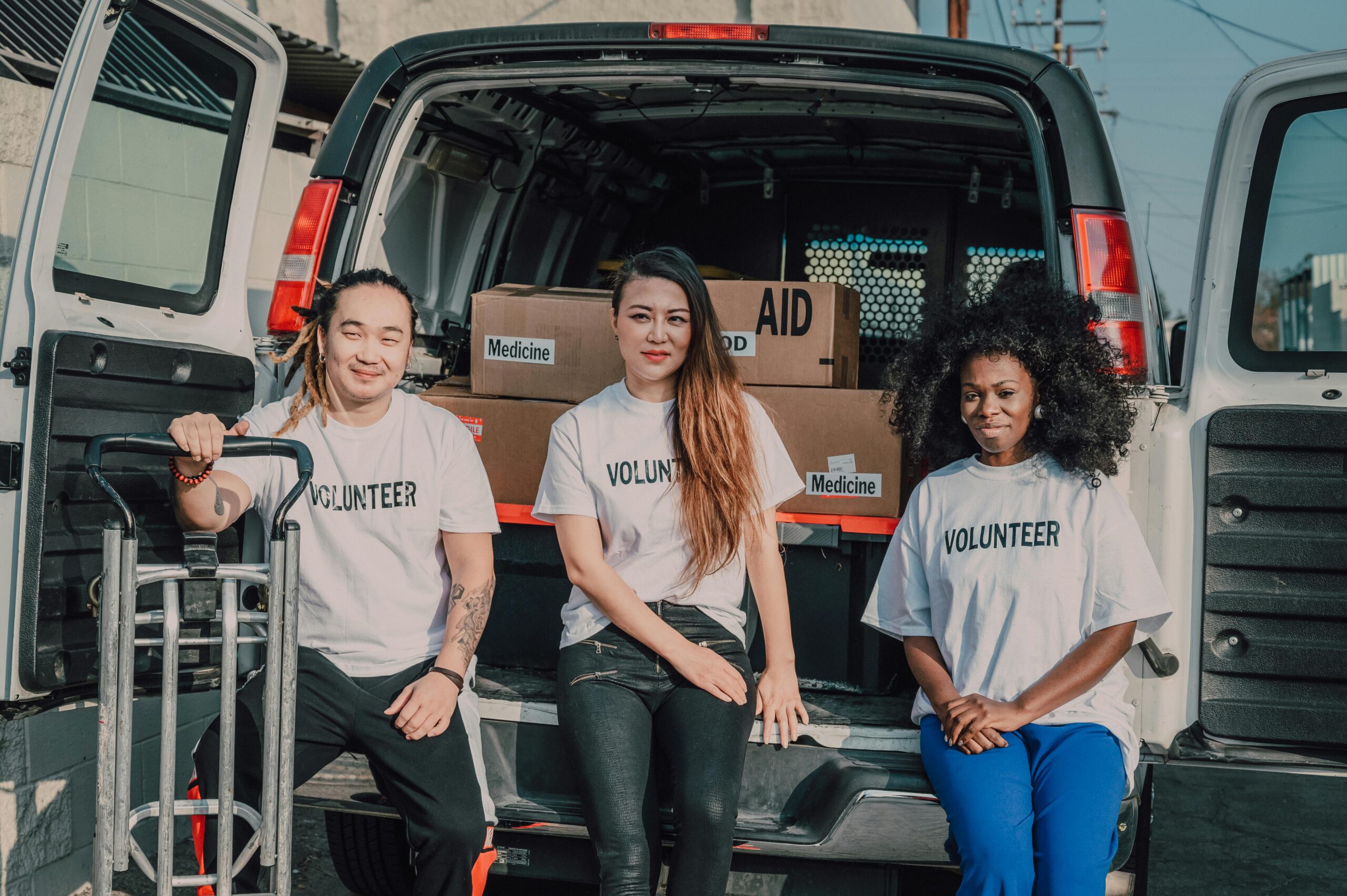
🌍 Champions in Action: The Resilience Imperative
As communities face increasingly complex challenges—from climate change impacts to economic disruption to social fragmentation—the work of community champions becomes ever more critical. These individuals create the adaptive capacity, social cohesion, and collective efficacy necessary to navigate uncertainty and emerge stronger from adversity.
Investing in community champion development represents one of the most cost-effective resilience strategies available. Unlike expensive infrastructure projects or complex programs, supporting champions leverages existing community assets and relationships, yielding benefits that extend across multiple domains of community life.
The essential roles that build resilience together aren’t performed in isolation but through networks of committed individuals who recognize their interdependence. By honoring these diverse contributions, supporting champion development, and fostering collaboration among role-holders, communities create foundations for thriving amid whatever challenges the future brings. The time to cultivate these champions is now—before the next crisis tests our collective resilience and reveals either the strength or fragility of our community bonds.