Rituals have woven the fabric of human society since our earliest days, creating invisible threads that bind individuals into cohesive communities and define our roles within them.

🌟 The Timeless Architecture of Human Connection
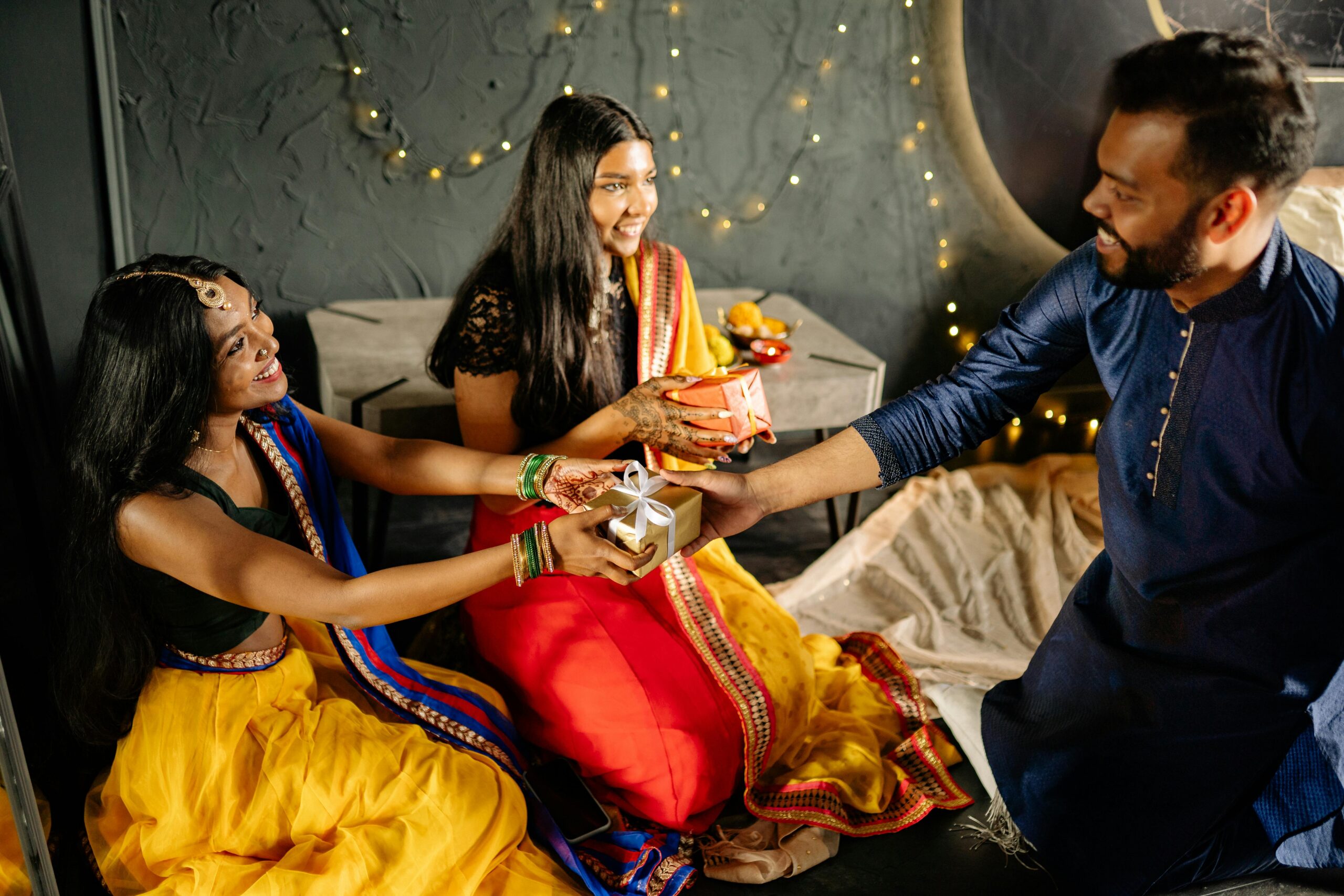
From ancient tribal gatherings around fires to modern workplace traditions, rituals serve as the cornerstone of community building. These repeated, symbolic actions create shared experiences that transcend individual differences and establish collective identity. When we participate in rituals, we’re not merely going through motions—we’re actively constructing and reinforcing the social architecture that gives our lives meaning and purpose.
The psychological impact of ritualistic behavior extends far beyond simple habit formation. Research in social psychology demonstrates that communities with strong ritual practices exhibit higher levels of trust, cooperation, and emotional resilience. These practices create predictable patterns that help individuals understand their place within the larger social structure, providing both comfort and clarity in an increasingly complex world.
Understanding the Psychological Foundation of Ritual Practice
The human brain responds uniquely to ritualistic behavior. Neuroscientific studies reveal that participating in communal rituals activates specific neural pathways associated with bonding, empathy, and social cognition. When we engage in synchronized activities—whether singing together, sharing meals, or performing ceremonial acts—our individual consciousness temporarily merges with the collective, creating what researchers call “collective effervescence.”
This neurological response explains why rituals feel so profoundly meaningful. They tap into fundamental human needs for belonging, purpose, and transcendence. The repetitive nature of rituals also provides cognitive ease, reducing decision fatigue while simultaneously creating space for deeper emotional and spiritual experiences. In essence, rituals work because they align with how our brains are naturally wired for social connection.
The Role of Predictability in Building Trust
One of ritual’s most powerful features is its predictability. When community members know what to expect—whether it’s a weekly gathering, an annual celebration, or a daily practice—they develop a sense of security and stability. This predictability becomes the foundation upon which trust is built, as individuals learn they can rely on both the ritual itself and the people who participate in it.
Communities that maintain consistent rituals create safe containers for vulnerability and authentic connection. Members feel more comfortable expressing themselves, taking social risks, and forming deeper relationships when they operate within familiar ritual structures. This dynamic is particularly evident in religious communities, support groups, and tight-knit organizations where ritual observance directly correlates with member satisfaction and retention.
🎭 Rituals as Role Definers and Community Organizers
Every community requires structure to function effectively, and rituals naturally create and reinforce social roles. Through ceremonial transitions—initiations, graduations, promotions, weddings—individuals publicly move from one status to another, with the entire community bearing witness. These transitional rituals don’t merely acknowledge change; they actively construct new social identities and expectations.
Consider how workplace rituals define organizational culture and hierarchy. The morning team huddle, the quarterly review ceremony, or the annual awards banquet all serve to clarify who holds what responsibilities, who deserves recognition, and what behaviors the community values. Even seemingly simple rituals like who speaks first in meetings or where people sit can communicate volumes about power dynamics and role expectations.
Initiation Rituals and Community Boundaries
Initiation rituals particularly demonstrate how communities use ceremonial practice to define membership and roles. Whether it’s a fraternity initiation, a professional licensing ceremony, or a citizenship oath, these rituals mark the transformation from outsider to insider. They create clear boundaries that distinguish members from non-members while simultaneously welcoming newcomers into the fold.
The transformative power of initiation extends beyond mere inclusion. These rituals fundamentally reshape how individuals perceive themselves and how the community perceives them. Research shows that the more challenging or meaningful the initiation, the stronger the subsequent commitment to the community. This phenomenon explains why groups with rigorous initiation processes often enjoy exceptionally loyal membership.
The Modern Evolution of Community Rituals
While ancient rituals centered on survival, seasons, and spiritual beliefs, contemporary communities create rituals around new focal points—productivity, wellness, digital connection, and social causes. The fundamental human need for ritual hasn’t diminished; it has simply adapted to modern contexts and values.
Digital communities have developed their own ritual lexicons. Online gaming guilds conduct virtual ceremonies, social media communities celebrate milestones with specific hashtags and response patterns, and remote work teams create digital rituals to maintain cohesion across distances. These adaptations prove that ritual’s power lies not in its specific form but in its underlying functions: creating belonging, marking significance, and reinforcing shared values.
Workplace Rituals in the Digital Age
The shift to remote and hybrid work has forced organizations to reimagine how rituals function when physical presence isn’t guaranteed. Progressive companies now design intentional digital rituals: virtual coffee chats, online celebration ceremonies, digital badge systems, and scheduled casual video calls. These practices combat isolation while maintaining organizational culture and role clarity.
Successful digital workplace rituals share common characteristics: they’re scheduled consistently, they create opportunities for informal connection, and they acknowledge individual contributions within the collective context. Companies that invest in these ritual practices report higher employee engagement, better team cohesion, and clearer understanding of organizational roles and expectations.
📚 Creating Meaningful Rituals for Your Community
Building effective rituals requires understanding your community’s unique needs, values, and constraints. Not every ritual transplants successfully from one context to another. The most powerful rituals emerge organically from community identity while intentionally serving specific bonding and role-defining functions.
When designing new rituals or revitalizing existing ones, consider these essential elements:
- Consistency: Establish regular timing and predictable structure that members can depend on
- Participation: Create opportunities for active engagement rather than passive observation
- Symbolism: Incorporate meaningful symbols that represent shared values and identity
- Inclusivity: Ensure rituals welcome all community members while respecting diversity
- Significance: Connect rituals to matters that genuinely impact community life and individual roles
- Adaptability: Allow rituals to evolve as community needs and circumstances change
The Balance Between Tradition and Innovation
Effective community leaders understand that rituals must balance continuity with relevance. Traditions provide anchoring stability, but rigid adherence to outdated practices can alienate members and prevent necessary growth. The key lies in preserving core symbolic elements while adapting surface features to contemporary contexts.
When evaluating whether to maintain, modify, or retire a community ritual, ask: Does this practice still serve our bonding needs? Does it clearly communicate and reinforce appropriate roles? Does it resonate with current members while honoring our heritage? Rituals that fail these tests may need thoughtful renovation rather than faithful preservation.
🔗 Rituals as Conflict Resolution and Social Repair Mechanisms
Beyond their role in establishing community bonds and roles, rituals serve crucial functions in healing social fractures and resolving conflicts. Many cultures maintain specific reconciliation rituals—apology ceremonies, forgiveness practices, and restorative justice circles—that provide structured pathways for repairing damaged relationships and reintegrating wayward members.
These repair rituals work because they create safe, formalized contexts for difficult emotional work. The ritual structure contains potentially volatile emotions while guiding participants through prescribed steps toward resolution. By participating in these practices, community members simultaneously address specific conflicts and reaffirm their commitment to shared values and mutual respect.
Boundary Maintenance Through Ritual Practice
Healthy communities require clear boundaries around acceptable behavior, and rituals help enforce these limits. When members violate community norms, responsive rituals—whether formal disciplinary procedures or informal correction practices—serve to both address the violation and reaffirm communal standards. These practices protect community integrity while offering pathways for redemption and reintegration.
The ritualized nature of these responses prevents arbitrary punishment while ensuring consistent application of community values. Members understand what behaviors trigger what consequences, and the predictability of ritual discipline actually increases perceived fairness and legitimacy of authority structures.
The Intergenerational Transmission of Community Identity
Rituals represent one of the most effective mechanisms for transmitting community values, knowledge, and identity across generations. When elders and newcomers participate together in ritual practices, tacit cultural knowledge flows naturally through observation, participation, and storytelling. This transmission happens not through explicit instruction but through embodied, shared experience.
Communities that maintain strong intergenerational rituals develop deeper historical consciousness and cultural continuity. Younger members inherit not just abstract beliefs but lived practices that connect them to ancestral traditions while adapting to contemporary realities. This continuity provides psychological benefits—sense of roots, understanding of legacy, connection to something larger than oneself.
Mentorship Rituals and Role Preparation
Structured mentorship rituals help prepare individuals for new community roles while transferring institutional knowledge. Whether it’s shadowing practices, apprenticeship ceremonies, or formal training rituals, these practices ensure smooth role transitions and maintain community competence across leadership changes.
Organizations with robust mentorship rituals experience lower turnover, better succession planning, and stronger organizational memory. The ritual framing elevates mentorship from casual advice-giving to sacred duty, increasing both mentor investment and mentee receptivity. These practices essentially ritualize the process of becoming, marking each step in role development with appropriate ceremony and recognition.
🌍 Cross-Cultural Perspectives on Community Rituals
While ritual functions remain remarkably consistent across cultures, specific forms vary dramatically. Indigenous communities often center rituals around seasonal cycles and relationship with land. Asian cultures frequently emphasize ancestor veneration and hierarchical respect ceremonies. Western societies increasingly focus on individual achievement milestones and democratic participation rituals.
Understanding these cultural variations enriches our appreciation for ritual’s flexibility and resilience. No single ritual form holds monopoly on effectiveness; rather, successful rituals align with their community’s worldview, values, and practical circumstances. In our increasingly multicultural world, communities benefit from cultural humility and willingness to learn from diverse ritual traditions.
Hybrid Rituals in Multicultural Communities
Modern multicultural communities face unique challenges in developing rituals that honor diversity while creating unified identity. The most successful approaches blend elements from multiple traditions, creating hybrid rituals that participants from various backgrounds can embrace. These fusion practices model integration while respecting cultural distinctiveness.
Creating hybrid rituals requires careful consultation, experimentation, and willingness to iterate based on member feedback. The goal isn’t cultural appropriation or shallow multiculturalism but authentic synthesis that deepens rather than dilutes meaning. When done thoughtfully, hybrid rituals become powerful statements about community values around inclusion, respect, and creative adaptation.
Measuring Ritual Effectiveness and Community Health
How do we know if our community rituals are working? Several indicators reveal ritual effectiveness: participation rates, member satisfaction surveys, retention statistics, and behavioral outcomes aligned with stated community values. Healthy ritual ecosystems show high voluntary participation, positive emotional associations, and clear impact on community cohesion and role clarity.
Communities should periodically assess their ritual practices, gathering feedback from diverse members about what’s working and what needs adjustment. This evaluation shouldn’t approach rituals with pure utilitarian calculation—some elements resist measurement while remaining profoundly important—but thoughtful assessment prevents stagnation and ensures rituals continue serving community needs.
💫 The Future of Community Rituals in a Changing World
As technology continues reshaping human interaction and global challenges demand new forms of cooperation, community rituals will undoubtedly evolve. Virtual and augmented reality may enable entirely new ritual experiences. Climate concerns might inspire rituals centered on environmental stewardship. Increased geographic mobility could necessitate rituals that maintain connection across distances.
Yet certain truths will likely remain constant: humans will always need belonging, communities will always require structure, and rituals will continue serving these fundamental needs. The specific forms will change, but the underlying functions—bonding, role definition, meaning-making, and social repair—will persist as long as humans gather in communities.
Forward-thinking communities approach this future with both reverence for tradition and openness to innovation. They understand that preserving ritual’s essence may require changing its form. They recognize that strengthening bonds in tomorrow’s world demands ritual practices responsive to emerging challenges while honoring timeless human needs for connection, purpose, and belonging.
Practical Steps Toward Ritual Revitalization
For communities seeking to strengthen bonds through enhanced ritual practice, begin with honest assessment of current ritual health. Which practices genuinely energize members? Which feel empty or obligatory? Where do people naturally gather, and what informal rituals have emerged organically? These questions reveal both problems and opportunities.
Next, involve community members in co-creating or renovating rituals. The most powerful practices emerge from collective wisdom rather than top-down imposition. Create small pilot rituals, gather feedback, and iterate based on response. Remember that ritual development is itself a communal practice that can strengthen bonds even before new rituals take hold.
Finally, commit to consistency while remaining flexible about details. The power of ritual lies partly in repetition, so give new practices sufficient time to establish themselves before judging effectiveness. Simultaneously, remain attentive to feedback and willing to adjust elements that create unnecessary barriers or fail to resonate with members.
Through intentional attention to ritual practice, communities can strengthen the bonds that sustain them through challenges, clarify the roles that enable effective functioning, and create the shared meaning that makes collective life worth living. In our fragmented modern world, this ritual work represents not nostalgia for simpler times but essential investment in human flourishing and social resilience. The communities that will thrive tomorrow are those investing today in the timeless power of ritual to bind individuals into cohesive, purposeful wholes.